
Japanese journal aesthetic, a captivating blend of traditional artistry and modern design, offers a unique and immersive experience. From meticulously crafted color palettes to thoughtfully arranged layouts, this style invites a journey into a world of visual harmony and cultural richness. It transcends mere note-taking, becoming a reflection of the user’s personality and a testament to the power of aesthetic expression.
This exploration delves into the defining characteristics of Japanese journal aesthetic, examining its visual elements, composition, materials, symbolism, and historical inspirations. We will also discuss practical applications and potential future trends, offering a comprehensive overview for anyone seeking to understand and potentially replicate this compelling style.
Defining the Aesthetic
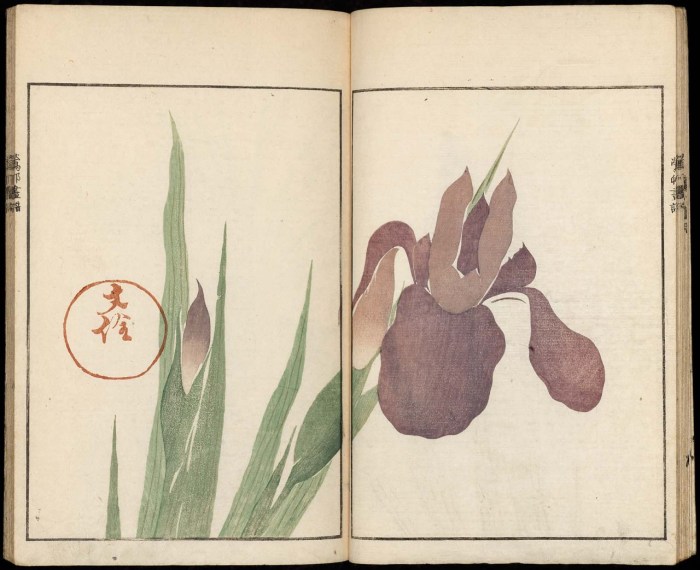
The Japanese journal aesthetic, a captivating blend of meticulous artistry and personal reflection, has garnered significant attention for its unique visual language and cultural underpinnings. This aesthetic transcends mere note-taking; it’s a curated expression of personal taste and a celebration of the beauty found in the mundane. It often features meticulous detail, thoughtful arrangement, and a strong sense of visual harmony.This aesthetic embodies a deeper connection to the act of journaling, transforming it into a form of self-expression and creative exploration.
It’s not just about recording thoughts, but also about cultivating a sense of calm, mindfulness, and aesthetic appreciation.
Key Characteristics
This aesthetic is characterized by a meticulous approach to layout and design, employing a range of techniques and materials to achieve a cohesive visual narrative. The meticulous nature of the aesthetic stems from a deep-seated appreciation for craftsmanship and detail, often drawing inspiration from traditional Japanese aesthetics like wabi-sabi.
- Visual Harmony: The aesthetic prioritizes visual balance and harmony. Elements are carefully arranged to create a sense of visual unity, often with a focus on symmetry and repetition.
- Color Palette: Soft, muted tones and natural color palettes are frequently used, evoking a sense of tranquility and serenity. Often featuring earthy tones like browns, creams, and muted greens. Intentional use of color is essential for establishing a specific mood.
- Hand-lettering and Calligraphy: The use of hand-lettering and calligraphy is prominent, adding a personal touch and artistic flair. The aesthetics often reflect a refined and sophisticated approach to writing.
- Materials: High-quality materials are often employed, including beautiful paper stocks, decorative embellishments, and carefully chosen stationery items. This attention to material selection reflects a reverence for quality and craftsmanship.
Visual Elements
The aesthetic frequently incorporates various visual elements that contribute to its distinctive character. These visual elements are not just decorations, but rather contribute to the overall mood and message of the journal.
- Floral Motifs: Delicate floral patterns and imagery, often inspired by traditional Japanese art, are commonly seen. This can range from subtle illustrations to full-blown botanical designs. These elements represent a connection to nature and a reverence for beauty.
- Geometric Patterns: Simple, symmetrical patterns are another recurring visual motif. The intentional use of geometric shapes can add a touch of structure and sophistication.
- Ink Stains/Watercolor Effects: The intentional use of ink stains and watercolor effects adds a touch of artistic flair. The organic and unpredictable nature of these techniques contributes to the aesthetic’s unique character.
- Minimalist Designs: Despite the potential for embellishment, the aesthetic also embraces a minimalist approach. This balance between intricate details and simplicity contributes to the overall visual appeal.
Historical and Cultural Influences
The Japanese journal aesthetic is deeply rooted in Japanese cultural values and artistic traditions. The emphasis on craftsmanship, meticulous detail, and harmony reflects a profound respect for the process and the materials used.
- Wabi-Sabi: The philosophy of wabi-sabi, emphasizing the beauty of imperfection and the acceptance of impermanence, significantly influences the aesthetic. This is reflected in the use of muted colors, natural materials, and acceptance of organic imperfections.
- Ikebana: The art of flower arrangement, Ikebana, also plays a crucial role in the aesthetic, with its focus on natural forms and balance.
- Zen Buddhism: The principles of mindfulness and meditation, often associated with Zen Buddhism, contribute to the aesthetic’s focus on calm and introspection.
Comparison with Other Aesthetics
| Aesthetic | Key Characteristics | Contrasting Elements |
|---|---|---|
| Japanese Journal | Emphasis on meticulous detail, harmony, natural colors, hand-lettering, quality materials. | Can be more elaborate than minimalist; often includes more visual elements than vintage. |
| Minimalist | Focus on simplicity, clean lines, limited color palette. | Japanese Journal is more detailed and less stark; incorporates more elements and materials. |
| Vintage | Inspired by past eras, often incorporating antique or antique-inspired elements, and richer color palettes. | Japanese Journal is more contemporary in its materials and color palettes; may not feature antique elements. |
Visual Elements
The Japanese journal aesthetic, often characterized by its meticulousness and focus on personal expression, relies heavily on carefully curated visual elements. These elements contribute significantly to the overall mood and message conveyed, creating a unique and engaging experience for the reader. The meticulous attention to detail in color palettes, textures, typography, and imagery underscores the depth of personal connection and cultural resonance within the aesthetic.The visual language employed in this aesthetic transcends mere decoration; it becomes a potent tool for storytelling and self-discovery.
Each element, from the subtle shade of ink to the chosen imagery, contributes to the holistic narrative that the journal aims to communicate. This intricate interplay of visual cues fosters a strong sense of emotional resonance and connection with the reader.
Color Palettes
The color palettes employed in Japanese journals frequently draw inspiration from nature, reflecting a deep appreciation for the subtleties of the natural world. Subtle shades of muted greens, calming blues, and warm beiges are prevalent, often combined with deeper tones of reds and purples to create a harmonious balance. These palettes are not simply aesthetic choices; they are intentionally selected to evoke specific emotions and atmospheres.
Textures and Patterns
The incorporation of textures and patterns is another defining characteristic. Natural textures, like the subtle variations in wood grain or the delicate veining of stone, are frequently incorporated to create a sense of grounding and authenticity. Geometric patterns, inspired by traditional Japanese art forms, are also common, adding an element of sophistication and visual interest. These patterns and textures, when thoughtfully combined, contribute to the aesthetic’s overall sense of calm and serenity.
Typography and Lettering Styles
Typography and lettering styles play a crucial role in the aesthetic, reflecting the writer’s personality and the tone of the journal’s content. Calligraphic scripts, with their flowing lines and expressive strokes, are frequently used to create a sense of elegance and artistic flair. Hand-lettered fonts, often in elegant script or with unique flourishes, add a personal touch. The careful selection of fonts and lettering styles contributes significantly to the overall visual harmony and emotional impact of the journal.
Imagery and Symbolism
Imagery and symbolism are often incorporated to add layers of meaning and depth to the journal. Images of nature, like blossoming flowers or serene landscapes, are frequently used to convey feelings of tranquility and connection to the natural world. Traditional Japanese imagery, including motifs from art and culture, can be subtly incorporated to add cultural context and resonance.
The chosen imagery often speaks volumes, offering insights into the journal’s themes and the writer’s emotional state.
Color Palette Examples
| Color Palette | Emotional Impact |
|---|---|
| Muted greens, soft beiges, and deep blues | Evokes a sense of tranquility, calmness, and grounding. Often associated with nature and serenity. |
| Warm yellows, earthy browns, and deep reds | Creates a sense of warmth, comfort, and connection to the natural world. Often associated with autumn and cozy atmospheres. |
| Subtle pinks, lavender, and deep purples | Can evoke feelings of introspection, emotional depth, and a sense of refinement. Often associated with feminine themes and tranquility. |
Composition and Layout
Japanese journals often prioritize a serene and meditative aesthetic, reflected in their meticulously crafted layouts. This attention to detail extends beyond the visual elements, incorporating principles of harmony and balance that mirror traditional Japanese aesthetics. The arrangement of content becomes a visual meditation, inviting the reader to slow down and appreciate the beauty of the written word.Careful consideration of space and proportion are key.
The deliberate use of whitespace, margins, and spacing creates a sense of visual calm and allows each element to breathe. This approach ensures the journal isn’t cluttered, enhancing its overall appeal and functionality. The layout is not simply functional; it’s an integral part of the journal’s intended experience.
Typical Layouts and Compositions
Japanese journals often employ a variety of layouts, each contributing to the overall visual harmony. A common layout involves a central vertical column of text, flanked by smaller side columns or sections for supplementary notes, illustrations, or inspirational quotes. This design creates a balanced visual experience, allowing the eye to flow naturally through the page. Other layouts incorporate a grid system, dividing the page into distinct modules for notes, sketches, or quotes.
Whitespace Utilization
Whitespace plays a crucial role in establishing visual hierarchy and creating a sense of spaciousness within the journal. Large, strategically placed margins around text blocks, illustrations, or quotes provide visual breathing room. Blank spaces between entries and sections further enhance the feeling of serenity. This conscious use of negative space is essential for directing the eye and promoting a contemplative reading experience.
For example, a page featuring a single, impactful quote, framed by generous margins, evokes a powerful sense of tranquility and contemplation.
Margins and Spacing
Margins and spacing are integral components of Japanese journal design. Margins are typically consistent throughout the journal, providing a sense of visual unity and order. Varying spacing between lines of text, or between different sections, creates visual rhythm and emphasis. For instance, a large margin surrounding a hand-drawn illustration draws attention to its detail while allowing it to stand out from the surrounding text.
This deliberate manipulation of margins and spacing contributes to a sense of balance and visual harmony.
Grids and Modular Design
Grid systems are prevalent in many Japanese journals. These systems can divide the page into modules for notes, lists, sketches, or even calligraphy exercises. This modular design allows for efficient organization and clear visual separation of different content types. The grid structure provides a framework for a consistent aesthetic, allowing the journal to feel cohesive and well-organized.
An example would be a journal using a simple grid system to organize daily reflections, with each module dedicated to a specific aspect of the day, like tasks, emotions, or insights.
Table of Layout Styles
| Layout Style | Visual Impact | Example |
|---|---|---|
| Central Column with Sidebars | Balanced, visually engaging, promotes flow | A central column of text with smaller columns on either side for supplementary information or illustrations. |
| Grid-Based Modules | Organized, structured, efficient | A page divided into rectangular modules for different types of content. |
| Minimalist, Large Margins | Serene, contemplative, emphasis on visual space | A page with a single quote or illustration surrounded by large margins. |
Materials and Craftsmanship
Japanese journals, steeped in tradition, often prioritize materials and craftsmanship that reflect a deep respect for the natural world and meticulous artistry. The choice of materials, from paper to binding, contributes significantly to the overall aesthetic, evoking a sense of tranquility and enduring quality. These journals are not simply containers for thoughts; they are works of art in themselves.The selection of materials and the techniques employed in crafting these journals reflect a commitment to quality and a deep understanding of the materials’ inherent properties.
The materials used are chosen not only for their aesthetic appeal but also for their durability and tactile qualities. Traditional Japanese craftsmanship, with its emphasis on precision and attention to detail, significantly shapes the aesthetic, imbuing the journals with a sense of timeless elegance.
Common Materials
The materials used in crafting Japanese-aesthetic journals often include high-quality paper, meticulously chosen for its texture and absorbency. This includes various types of handmade paper, known for their unique characteristics. Often, the journals feature carefully selected wood, such as cherry or cedar, for their beautiful grain and scent. Other elements, like silk threads, linen, or washi paper for embellishments, add depth and texture to the overall design.
Traditional Craftsmanship Influences
The influence of traditional Japanese craftsmanship, like the meticulous techniques of origami or calligraphy, is evident in the precise folding, cutting, and binding methods employed in these journals. The emphasis on creating harmonious compositions, where each element complements the others, is also a defining characteristic. For instance, the delicate artistry of hand-painted illustrations or calligraphy can be seamlessly integrated into the design, showcasing intricate details and enhancing the aesthetic.
Paper Types and Textures
The type of paper used in these journals is crucial. Its texture and absorbency play a significant role in the journal’s aesthetic. Different paper types offer distinct tactile experiences, ranging from the smooth, almost silky feel of some handmade papers to the rough, textured surface of others. The choice of paper directly impacts the writing experience and the overall visual appeal.
Table of Paper Types
| Paper Type | Texture | Suitability for Aesthetic |
|---|---|---|
| Handmade Washi | Rough, absorbent, often with subtle variations in color and texture | Excellent; adds a handcrafted, natural element |
| Handmade Kozo | Slightly rough, absorbent, with a distinct fibrous quality | Excellent; complements the natural, minimalist aesthetic |
| Japanese Paper (Gohan-shi) | Smooth, absorbent, with a slightly rough surface | Good; works well for journals focusing on simple lines and minimalist aesthetics |
| Cotton Paper | Smooth, absorbent, with a subtle texture | Good; offers a clean, versatile surface suitable for various styles |
| Recycled Paper | Varying textures depending on the source material | Good; demonstrates sustainability and an appreciation for environmental consciousness, depending on the desired aesthetic. |
Symbolism and Imagery
Japanese journals often serve as personal narratives, reflecting the author’s inner world and cultural context. Embedded within these journals are deeply rooted symbols and imagery, drawing on a rich tapestry of history, philosophy, and aesthetics. These visual elements are not simply decorative; they are carefully chosen to communicate specific emotions, ideas, and experiences.Japanese cultural traditions heavily influence the symbolic language employed in journals.
From subtle allusions to profound philosophical concepts, the imagery and symbolism within these journals reveal a unique perspective on the world. This understanding deepens our appreciation for the cultural significance and personal expression embedded within the medium.
Common Symbols and Imagery
Japanese journals frequently incorporate imagery rooted in traditional art forms like calligraphy, painting, and printmaking. These visual elements resonate with the viewer on an emotional level, connecting them to a shared cultural understanding.
- Nature motifs: Bamboo, cherry blossoms, pine trees, and other natural elements represent resilience, fleeting beauty, and the cyclical nature of life. These motifs evoke a sense of serenity and contemplation, often mirroring the journal’s meditative purpose.
- Animals: The crane, a symbol of longevity and good fortune, or the carp, signifying strength and perseverance, often appear as recurring imagery. These animals represent qualities that are highly valued in Japanese culture.
- Calligraphy and characters: Japanese characters, particularly those representing nature or philosophical concepts, can be incorporated as artistic elements, adding depth and sophistication to the journal. The meticulous artistry of calligraphy further elevates the journal’s aesthetic and conveys a sense of cultural pride.
Cultural and Historical Context
Understanding the historical and cultural significance of these symbols provides insight into the journal’s meaning.
- Buddhist and Shinto influences: Many symbols, such as the crane and the willow tree, find their origins in Buddhist and Shinto traditions, reflecting the profound influence of these religions on Japanese aesthetics and values. For example, the image of a serene pond with a lone crane embodies tranquility and the acceptance of life’s natural cycle.
- Traditional art forms: The use of motifs found in ukiyo-e prints, such as landscapes or scenes from everyday life, draws on centuries of artistic traditions. This connection to established artistic styles enriches the journal’s aesthetic appeal and cultural resonance.
- Philosophical concepts: The concept of “wabi-sabi,” emphasizing the beauty of imperfection and impermanence, often permeates the visual language of Japanese journals. This philosophy is reflected in the acceptance of natural elements as artistic components, acknowledging the ephemeral beauty of the natural world.
Emotional Impact
The chosen symbols and imagery evoke a range of emotions in the reader, enhancing the journal’s narrative.
- Serenity and tranquility: Images of serene landscapes, such as a tranquil mountain stream, can instill a sense of peace and quiet contemplation. This is often used to reflect moments of reflection and introspection within the journal’s entries.
- Resilience and strength: The image of a carp leaping upstream can represent the determination and fortitude of the author, mirroring the challenges and triumphs documented within the journal.
- Appreciation for beauty: The ephemeral beauty of cherry blossoms or the resilience of bamboo conveys a sense of appreciation for the natural world, mirroring the author’s observation of nature’s artistry.
Examples of Symbolism in Practice
The symbolic meaning is deeply ingrained in Japanese culture, which is frequently reflected in journals.
- Personal narrative: A journal entry about a challenging period might feature a stylized representation of a mountain path, evoking the difficulty of the journey while subtly suggesting the author’s strength in overcoming obstacles.
- Expressing emotions: A journal focusing on the fleeting beauty of life might include a detailed depiction of a cherry blossom branch, representing the joy and sorrow associated with the season.
- Communicating cultural identity: A journal showcasing the author’s connection to Japanese traditions might incorporate elements like a carefully crafted haiku or a symbolic depiction of a Japanese garden, signifying their immersion in the culture.
Categorization of Symbols and Imagery
| Symbol/Imagery | Cultural Meaning |
|---|---|
| Cherry Blossoms | Ephemeral beauty, transience, renewal, beauty of impermanence |
| Bamboo | Strength, resilience, flexibility, endurance |
| Crane | Longevity, good fortune, peace, freedom |
| Carp | Strength, perseverance, determination, overcoming obstacles |
| Japanese Garden | Harmony with nature, tranquility, meditative space, appreciation for the natural world |
Inspiration and Influences
The Japanese journal aesthetic, a captivating blend of tradition and modernity, draws inspiration from a rich tapestry of historical and cultural influences. This aesthetic transcends mere visual appeal, reflecting a deep-seated connection to nature, art forms, and contemporary design trends. Its appeal lies in its ability to evoke a sense of serenity and contemplation while simultaneously embracing innovation.The aesthetic’s profound roots in Japanese culture provide a foundation for understanding its unique characteristics.
The careful attention to detail, the reverence for natural elements, and the meticulous application of traditional craft techniques are integral components of this visual language.
Historical and Cultural Inspirations
The Japanese journal aesthetic is deeply rooted in the nation’s rich history and cultural values. Key influences include the principles of wabi-sabi, emphasizing the beauty of imperfection and transience, and yugen, a concept that suggests profound meaning hidden beneath the surface. These philosophies, permeating various art forms and daily life, inform the aesthetic’s understated elegance and evocative imagery.
Further, the aesthetic finds echoes in traditional Japanese gardens, with their meticulous arrangements of rocks, plants, and water features, mirroring a harmonious relationship with nature.
Role of Nature and Traditional Japanese Art Forms
Nature serves as a significant source of inspiration. The meticulous observation of natural elements, from the delicate patterns of leaves to the subtle hues of the changing seasons, informs the aesthetic’s use of color, texture, and imagery. Traditional Japanese art forms, such as ink painting (sumi-e), calligraphy (shodo), and woodblock printing (ukiyo-e), have profoundly influenced the aesthetic’s visual language.
The delicate brushstrokes, the use of negative space, and the emphasis on evocative imagery in these art forms are reflected in the journal’s design and layout. The artistic sensibilities of these traditional forms are echoed in the careful selection of materials and the meticulous crafting of the journal’s design.
Influence of Modern Design Trends
While deeply rooted in tradition, the Japanese journal aesthetic also incorporates contemporary design trends. Minimalism, a prevalent aesthetic in modern design, finds expression in the clean lines, uncluttered layouts, and restrained color palettes often employed in these journals. The influence of Scandinavian design, known for its focus on functionality and natural materials, is also discernible. This fusion of traditional and contemporary elements creates a unique and enduring aesthetic.
Connection to Other Artistic Movements and Styles
The aesthetic’s connection to other artistic movements and styles is multifaceted. The minimalist approach, with its focus on simplicity and elegance, shares affinities with modern and contemporary art movements. The emphasis on nature and evocative imagery resonates with various artistic expressions that celebrate the natural world. The careful attention to detail, mirroring the meticulous approach to craftsmanship in other art forms, enhances the aesthetic’s depth and complexity.
Table of Influences and Impact
| Influence | Impact on the Aesthetic |
|---|---|
| Wabi-sabi | Understated elegance, beauty in imperfection, appreciation for transience |
| Yugen | Suggests profound meaning beneath the surface, evokes a sense of mystery and contemplation |
| Traditional Japanese Gardens | Harmonious relationship with nature, use of space and elements |
| Sumie, Shodo, Ukiyo-e | Delicate brushstrokes, negative space, evocative imagery |
| Minimalism | Clean lines, uncluttered layouts, restrained color palettes |
| Scandinavian Design | Focus on functionality, natural materials, emphasis on simplicity |
| Modern and Contemporary Art | Minimalist approach, emphasis on simplicity and elegance |
| Artistic expressions celebrating the natural world | Emphasis on nature and evocative imagery |
Practical Applications
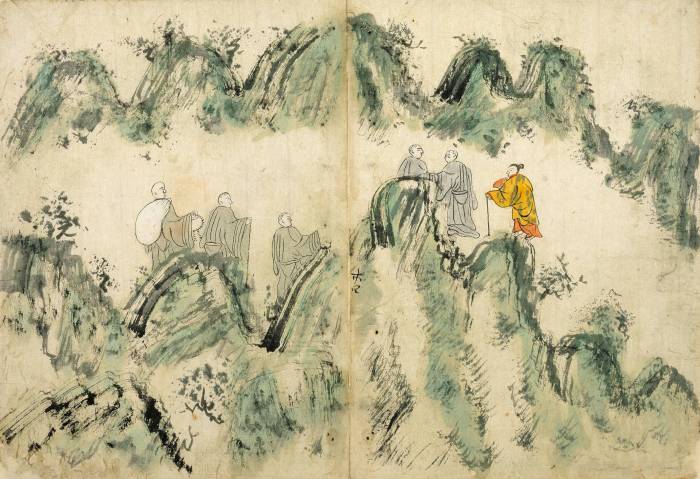
The Japanese journal aesthetic, with its emphasis on minimalism, meticulous detail, and evocative imagery, transcends the confines of a simple notebook. Its application extends far beyond personal journaling, offering a versatile framework for artistic expression, brand identity, and even functional design. This aesthetic’s inherent elegance and subtle sophistication allow for seamless integration into various creative endeavors.This aesthetic’s adaptability lies in its core principles, allowing creators to tailor its elements to specific needs and projects.
Whether crafting a personal journal, developing a brand aesthetic, or envisioning an art piece, this adaptable approach ensures the style remains authentic and relevant. Practical application requires careful consideration of the project’s intended purpose and target audience.
Personal Journal Application
A personal journal, when infused with the Japanese aesthetic, becomes more than a repository of thoughts and feelings. It becomes a carefully curated space for reflection, creativity, and self-expression. Key to achieving this is understanding the aesthetic’s core principles, from the delicate brushstrokes of traditional ink painting to the subtle interplay of colors. The focus on nature, minimalist design, and subtle symbolism can transform a simple journal into a personal sanctuary.
- Material Selection: Choosing high-quality, sustainable papers, like handmade washi, with a subtle texture, evokes the essence of the aesthetic. Consider the paper’s weight and absorbency when selecting pens and inks to avoid smudging. Fine-tipped pens or brush pens, like those from Japanese calligraphy brands, enhance the aesthetic’s precision.
- Composition and Layout: Employing a grid layout or a simple, uncluttered design for entries creates a visual harmony. Incorporating subtle, nature-inspired illustrations or calligraphy adds depth. Consider using Japanese-inspired motifs like cherry blossoms or bamboo for visual interest.
- Mood Board Creation: A mood board, carefully curated with images, color palettes, and textural samples, acts as a visual guide. Include examples of Japanese-inspired art, calligraphy, and traditional crafts. This aids in selecting materials and color schemes.
Art Project Application
The aesthetic’s influence on art projects is profound. It allows artists to explore themes of nature, introspection, and cultural heritage. This aesthetic encourages a thoughtful process, where each element contributes to the overall visual narrative. It offers a framework for artists to cultivate a specific mood or atmosphere.
- Visual Guide Creation: A visual guide detailing color palettes, textures, and composition techniques allows for consistency and clarity in the project. Include sketches of Japanese-inspired patterns, illustrations, and calligraphy styles. The guide serves as a reference point for maintaining the aesthetic throughout the creative process.
- Material Selection: Artists can explore materials such as washi paper, ink, and traditional brushes to evoke the aesthetic’s core essence. Explore the possibilities of natural pigments and eco-friendly materials for a deeper connection to the aesthetic’s roots.
- Compositional Techniques: Employing a minimalist approach, highlighting negative space, and focusing on the balance between elements contribute to the overall visual harmony. Consider incorporating Japanese principles of design, such as the golden ratio, for optimal visual appeal.
Branding Application
The Japanese aesthetic lends itself beautifully to brand identity, conveying a sense of sophistication, elegance, and cultural resonance. It’s particularly effective for brands targeting a discerning audience seeking a unique and memorable experience.
- Logo Design: A minimalist logo incorporating Japanese typography or symbolic imagery, such as cherry blossoms or stylized kanji, can effectively communicate the brand’s essence. Careful attention to detail and the use of high-quality imagery is crucial.
- Color Palette Selection: The aesthetic often utilizes a muted color palette, drawing inspiration from nature’s subtle tones. Subtle gradients, soft pastels, and the interplay of black and white contribute to a serene and sophisticated feel. The incorporation of traditional Japanese color schemes, like those found in kimonos or pottery, adds a distinctive layer.
- Visual Elements: Implementing patterns inspired by Japanese art, calligraphy, or nature-inspired motifs can enhance brand recognition and create a cohesive visual identity. These visual elements add a sense of cultural heritage and artistic refinement.
Examples and Case Studies
Japanese journal aesthetics, characterized by meticulous detail and evocative imagery, have found successful applications across various media. The careful consideration of materials, composition, and symbolism creates a powerful emotional connection with the reader, transcending the functional purpose of a journal and elevating it to an art form. This section explores successful applications of this aesthetic, analyzing their impact and identifying key elements contributing to their success.
Successful Applications Across Media
The meticulous craftsmanship and evocative imagery of Japanese journal aesthetics resonate across diverse media. Its application extends beyond the traditional journal format, influencing design in fields like stationery, bookbinding, and even interior design. The principles of minimalism, balance, and symbolic representation are transferable to different mediums, enabling designers to evoke a sense of serenity and contemplation.
Examples of Journals Exemplifying the Aesthetic
Numerous journals effectively embody this aesthetic, demonstrating the nuanced use of materials, imagery, and layout. These journals often feature intricate calligraphy, delicate illustrations, and subtle color palettes that evoke a sense of tranquility and sophistication. The choice of materials, such as high-quality paper or handcrafted covers, enhances the overall experience, reflecting the dedication to quality and craftsmanship.
Categorized Examples of Successful Applications
| Category | Example | Reason for Success | Mood/Atmosphere Created |
|---|---|---|---|
| Stationery | Limited-edition notebooks by Japanese stationery brands | High-quality paper, meticulous craftsmanship, and often incorporating traditional Japanese motifs. | Sophistication, elegance, and tranquility. |
| Bookbinding | Japanese-style sketchbooks | Use of traditional Japanese binding techniques like kōten or kami-shi, featuring handcrafted covers and unique paper types. | A sense of artistry, reverence for craftsmanship, and contemplation. |
| Interior Design | Japanese-inspired home offices | The use of minimalist design principles, natural elements, and subdued color palettes, often incorporating traditional Japanese aesthetics. | Peacefulness, focus, and mindfulness. |
| Digital Art | Art journals using digital tools, but retaining aesthetic elements | Utilizing digital tools to achieve a handcrafted aesthetic, often using traditional Japanese color palettes and imagery. | Serenity, artistry, and sophistication, even with digital application. |
Trends and Evolution
The Japanese journal aesthetic, a fusion of meticulous craftsmanship and introspective expression, is poised for continued evolution. Driven by a blend of cultural heritage and contemporary influences, its trajectory is likely to be shaped by both predictable and surprising factors. The aesthetic’s adaptability and inherent ability to reflect evolving societal values and personal expressions will remain a key characteristic.
Potential Future Trends
The aesthetic’s evolution will likely be influenced by a growing desire for sustainable and ethically produced materials. Expect a rise in journals crafted from recycled or locally sourced paper, alongside the continued use of traditional Japanese papers like washi. Further, a focus on digital integration will likely emerge. Digital tools will likely become more integrated, allowing for digital journaling to coexist seamlessly with traditional methods.
Social Media Influence
Social media platforms are already a major driver of the aesthetic’s evolution. Users are showcasing their journals, fostering a community around the aesthetic. This shared visual language fuels the creativity and inspires variations within the aesthetic, leading to new sub-styles and personalized interpretations. Trends on platforms like Instagram and Pinterest play a crucial role in disseminating ideas and fostering an interactive community.
The aesthetic will likely be further personalized and sub-divided into various styles, with trends emerging from user-generated content.
Emergence of Sub-styles
Several sub-styles are already evident, reflecting different focuses within the broader aesthetic. One sub-style is characterized by a minimalist approach, prioritizing clean lines and muted color palettes. Another sub-style embraces a more elaborate, ornate aesthetic, incorporating intricate patterns and embellishments. As the community grows, the variety of sub-styles is expected to further diversify, encompassing thematic focuses such as nature, travel, or specific hobbies.
These sub-styles will likely reflect niche interests and individual expressions, highlighting a personalization of the aesthetic.
Timeline of Aesthetic Evolution
While a precise timeline is impossible to predict, a general evolution can be visualized through a hypothetical timeline. An early phase, from the late 2010s to the early 2020s, is characterized by the initial popularity of the aesthetic, emphasizing traditional materials and craftsmanship. The middle phase, from the early 2020s to the present, sees the rise of social media influence, fostering diverse interpretations and sub-styles.
The next phase, projected for the mid-2020s and beyond, anticipates a strong integration of digital elements with the physical journal, highlighting sustainability and personalization. Each phase builds on the preceding one, showcasing the aesthetic’s adaptability and ability to resonate with diverse interests.
Final Conclusion
In conclusion, Japanese journal aesthetic presents a compelling fusion of tradition and modernity, appealing to those seeking a visually engaging and emotionally resonant way to document their thoughts and experiences. The meticulous attention to detail, the thoughtful use of symbolism, and the profound connection to Japanese culture all contribute to a captivating and unique style. From the meticulous selection of materials to the precise arrangement of visual elements, this aesthetic offers a powerful framework for self-expression and creative exploration.
