
Industry 4.0, a term rapidly reshaping the manufacturing landscape, signifies a paradigm shift driven by digital technologies. It’s not just about automating processes; it’s about creating interconnected, intelligent systems that optimize every facet of production, from design to delivery. This evolution promises unprecedented levels of efficiency, flexibility, and sustainability, fundamentally altering how goods are made and businesses operate.
This article delves into the core components of Industry 4.0, exploring how technologies like the Internet of Things (IoT), artificial intelligence (AI), cloud computing, and digital twins are converging to transform factories into smart, responsive ecosystems. We will examine the implications of these advancements, from enhanced productivity and quality control to the critical role of cybersecurity and the evolving skill sets needed for the workforce of the future. The ultimate goal is to understand how Industry 4.0 is not merely an upgrade but a complete overhaul of the industrial world.
What groundbreaking transformations does Industry 4.0 bring to manufacturing processes and how does it reshape traditional methods?
Industry 4.0, the fourth industrial revolution, represents a paradigm shift in manufacturing, driven by the integration of digital technologies. This transformation moves beyond automation to create interconnected, intelligent systems capable of self-optimization, adaptation, and predictive capabilities. It fundamentally reshapes traditional manufacturing processes, fostering unprecedented levels of efficiency, flexibility, and responsiveness.
Shift from Traditional Manufacturing to Industry 4.0 Paradigms
The transition from traditional manufacturing to Industry 4.0 is characterized by a fundamental shift in operational philosophy and technological integration. Traditional manufacturing, often referred to as the “Third Industrial Revolution,” relied heavily on automation, robotics, and computerization to streamline processes. However, these systems often operated in silos, lacking real-time data sharing and integrated decision-making capabilities. Industry 4.0, on the other hand, breaks down these silos by connecting all aspects of the manufacturing process, from design and production to supply chain management and customer interaction.
This interconnectedness is achieved through technologies like the Internet of Things (IoT), cloud computing, big data analytics, and artificial intelligence (AI). These technologies enable manufacturers to collect and analyze vast amounts of data, gain real-time insights into their operations, and make data-driven decisions. The focus shifts from mass production to mass customization, allowing companies to respond more quickly to changing market demands and deliver personalized products. Resource management also undergoes a significant transformation, with a move towards predictive maintenance, optimized energy consumption, and reduced waste. The emphasis is on creating a more sustainable and efficient manufacturing ecosystem.
Evolution of Manufacturing: A Comparative Analysis
The evolution of manufacturing has been marked by several key technological advancements, each ushering in a new industrial revolution. The following table provides a comparative analysis of these revolutions, highlighting the key technologies and their impact:
| Industrial Revolution | Key Technologies | Impact on Manufacturing | Core Characteristics |
|---|---|---|---|
| First Industrial Revolution (1760-1840) | Steam engine, water power, mechanization | Mechanization of production, rise of factories, increased productivity | Manual labor replaced by machines, centralized production, focus on mass production. |
| Second Industrial Revolution (1870-1914) | Electricity, assembly line, mass production | Mass production, increased efficiency, lower production costs | Introduction of the assembly line, specialization of labor, rise of large corporations. |
| Third Industrial Revolution (1950-2000) | Automation, computers, robotics | Increased automation, improved efficiency, introduction of computer-aided design and manufacturing (CAD/CAM) | Use of programmable logic controllers (PLCs), robotics in assembly lines, increased focus on efficiency and quality. |
| Industry 4.0 (2010-Present) | IoT, AI, Big Data Analytics, Cloud Computing, Cyber-Physical Systems | Smart factories, real-time data analysis, predictive maintenance, mass customization, improved efficiency and sustainability | Interconnected systems, data-driven decision making, personalized products, focus on flexibility and adaptability. |
Practical Examples of Industry 4.0 Implementation
Industry 4.0 technologies are being implemented in manufacturing facilities worldwide, leading to significant improvements in productivity, quality control, and waste reduction. Here are three practical examples:
- Predictive Maintenance: Manufacturers are utilizing IoT sensors and AI-powered analytics to monitor the condition of their equipment in real-time. These systems analyze data on factors such as vibration, temperature, and pressure to predict potential failures before they occur. This allows for proactive maintenance scheduling, reducing downtime and extending the lifespan of equipment. For example, Siemens has implemented predictive maintenance solutions in its factories, leading to a 20% reduction in maintenance costs and a 15% increase in machine availability. This proactive approach minimizes disruptions and maximizes operational efficiency.
- Quality Control: AI-powered vision systems are being deployed to automate and enhance quality control processes. These systems use cameras and machine learning algorithms to inspect products for defects with greater speed and accuracy than human inspectors. For instance, BMW uses AI-powered vision systems in its automotive plants to identify even the smallest imperfections in car bodies, ensuring that only high-quality products reach consumers. This implementation has reduced defect rates and improved customer satisfaction.
- Waste Reduction: Industry 4.0 technologies enable manufacturers to optimize resource utilization and minimize waste throughout the production process. Digital twins, which are virtual replicas of physical assets and processes, allow manufacturers to simulate different scenarios and identify areas for improvement. Data analytics can also be used to track and analyze material usage, identify inefficiencies, and optimize production schedules to minimize scrap and rework. Companies like Schneider Electric have reported significant reductions in energy consumption and waste generation through the implementation of Industry 4.0 solutions, contributing to both cost savings and environmental sustainability.
How do interconnected systems and the Internet of Things (IoT) act as the backbone of Industry 4.0 and what specific benefits do they provide?
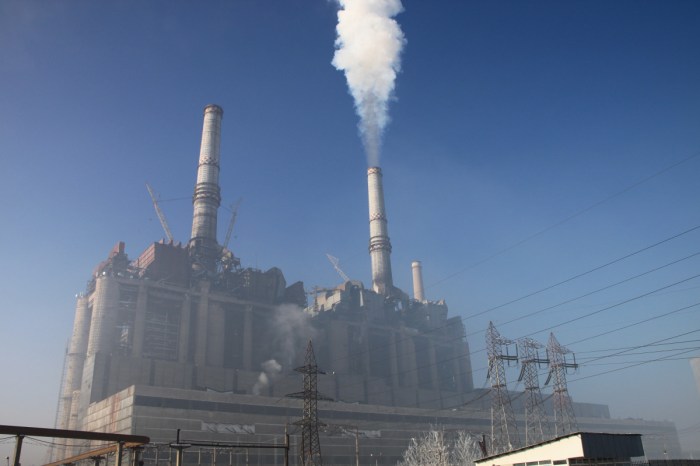
Industry 4.0’s transformative power stems from its reliance on interconnected systems, with the Internet of Things (IoT) serving as the vital infrastructure. This network of smart devices, sensors, and data analytics capabilities fundamentally alters how manufacturing processes operate. By enabling seamless data flow and real-time insights, IoT facilitates unprecedented levels of efficiency, responsiveness, and optimization across the entire value chain.
IoT’s Role in Interconnected Manufacturing
The Internet of Things (IoT) acts as the nervous system of a smart factory, facilitating the creation of interconnected systems. This involves embedding sensors within machinery, products, and the factory environment to collect a vast amount of data. This data, transmitted via secure networks, is then analyzed in real-time to provide actionable insights. This continuous feedback loop allows for immediate adjustments to processes, optimized resource allocation, and enhanced operational agility. Consider a scenario where a production line experiences a sudden performance drop. With IoT, the system can instantly identify the faulty machine, pinpoint the cause (e.g., a worn-out component), and initiate maintenance before it leads to significant downtime. This proactive approach is a hallmark of the interconnected, data-driven environment enabled by IoT.
Benefits of IoT and Interconnected Systems
Interconnected systems, fueled by IoT, bring several key advantages to manufacturing. These improvements span across supply chain management, inventory control, and predictive maintenance.
- Enhanced Supply Chain Management: IoT enables real-time tracking of goods and materials throughout the supply chain. Sensors attached to shipments provide continuous updates on location, condition (e.g., temperature for perishable goods), and potential delays. This visibility allows manufacturers to proactively address disruptions, optimize delivery routes, and improve overall supply chain efficiency. For instance, a food manufacturer can use IoT to monitor the temperature of refrigerated trucks transporting ingredients, ensuring product quality and minimizing spoilage. This enhanced visibility leads to more efficient resource allocation and minimizes waste.
- Optimized Inventory Control: IoT-enabled systems provide precise, real-time data on inventory levels. This allows for automated inventory management, reducing the risk of stockouts or overstocking. Smart sensors can automatically trigger reorders when stock levels reach predetermined thresholds, streamlining the procurement process. For example, a car manufacturer can use IoT to monitor the inventory of specific components. When the system detects a decline in parts, it automatically alerts the supplier to replenish the stock, thus avoiding any production downtime.
- Predictive Maintenance: Perhaps one of the most significant benefits is predictive maintenance. IoT sensors monitor the performance of machinery and equipment, collecting data on factors like vibration, temperature, and pressure. This data is analyzed to identify patterns and predict potential failures before they occur. This proactive approach reduces downtime, minimizes repair costs, and extends the lifespan of equipment. Consider a manufacturing plant where sensors monitor the performance of a critical pump. The data collected might reveal an increase in vibration, indicating an impending bearing failure. Based on this analysis, maintenance can be scheduled proactively, avoiding a sudden breakdown and the associated production losses.
- Improved Production Efficiency: IoT enables manufacturers to collect real-time data on the performance of their production lines. This data can be used to identify bottlenecks, optimize workflows, and improve overall efficiency. For instance, sensors on a production line can monitor the speed of each machine, the time it takes to complete each task, and the quality of the products being produced. This data can then be used to identify areas where improvements can be made. This real-time visibility enables manufacturers to identify inefficiencies, optimize resource allocation, and increase overall productivity.
Types of Sensors in Industry 4.0
Various types of sensors are crucial for data acquisition and process optimization in Industry 4.0. These sensors capture different aspects of the manufacturing environment, feeding valuable data into the interconnected systems.
- Temperature Sensors: These sensors measure temperature variations in machinery, materials, and the factory environment. They are crucial for monitoring the operation of equipment, ensuring optimal storage conditions for sensitive materials, and maintaining product quality. For example, in a pharmaceutical manufacturing facility, temperature sensors are used to monitor the storage conditions of temperature-sensitive drugs, ensuring their efficacy and safety.
- Pressure Sensors: Pressure sensors measure the force exerted by liquids or gases within a system. They are used in various applications, such as monitoring the performance of pumps, valves, and pipelines. For instance, in a chemical plant, pressure sensors are used to monitor the pressure in reactors and pipelines, ensuring safe and efficient operation.
- Position Sensors: Position sensors detect the location or movement of objects, components, or equipment. They are essential for automated guided vehicles (AGVs), robotic arms, and other automated systems. For example, in an automotive assembly line, position sensors are used to guide robotic arms that weld car parts.
- Vibration Sensors: These sensors measure vibrations in machinery and equipment, providing insights into their condition and potential for failure. They are a critical component of predictive maintenance programs. The early detection of unusual vibrations can signal the need for maintenance, preventing costly breakdowns.
- Proximity Sensors: Proximity sensors detect the presence or absence of an object without physical contact. They are widely used in assembly lines, packaging machines, and other automated processes. For example, proximity sensors are used to detect the presence of products on a conveyor belt, triggering the next stage of processing.
- Image Sensors: Image sensors capture visual data, allowing for quality control, defect detection, and process monitoring. They are used in applications such as inspecting products for defects, identifying components, and tracking the movement of objects. For example, image sensors are used in the food industry to inspect food products for imperfections and ensure product quality.
What are the pivotal roles of data analytics and artificial intelligence (AI) in Industry 4.0, and how do they empower smart manufacturing?
Data analytics and artificial intelligence are not just enhancements in Industry 4.0; they are the central nervous system and the brain, respectively, driving the transformation from traditional manufacturing to smart, adaptive, and efficient operations. Their combined power allows manufacturers to extract actionable insights from the massive data streams generated by interconnected systems, leading to optimized processes, predictive capabilities, and ultimately, enhanced profitability.
Data Analytics and AI Algorithms for Data Processing and Insight Generation
The proliferation of sensors, IoT devices, and interconnected systems in Industry 4.0 generates an unprecedented volume of data. Data analytics and AI algorithms are essential to process this raw data and transform it into valuable insights. These insights empower manufacturers to make informed decisions and optimize their operations.
Data analytics tools employ various techniques to process this data.
- Data Collection and Integration: Data is gathered from diverse sources, including sensors on machinery, supply chain databases, and customer relationship management (CRM) systems. This data is then integrated into a unified platform.
- Data Cleaning and Preprocessing: Raw data often contains errors, inconsistencies, and missing values. Data cleaning and preprocessing techniques ensure data quality and reliability.
- Data Analysis and Modeling: Statistical analysis, machine learning algorithms, and deep learning models are applied to identify patterns, trends, and anomalies within the data.
- Visualization and Reporting: Insights are visualized through dashboards and reports, providing a clear understanding of the data.
AI algorithms, particularly machine learning models, are crucial in identifying complex patterns and making predictions. These models are trained on historical data to recognize correlations and make accurate forecasts. For instance, predictive maintenance models can analyze sensor data from machines to predict potential failures, allowing for proactive maintenance and minimizing downtime.
AI Applications in Predictive Maintenance, Quality Control, and Process Optimization
AI is reshaping manufacturing by enabling predictive maintenance, improving quality control, and optimizing production processes. These applications lead to increased efficiency, reduced costs, and improved product quality.
- Predictive Maintenance: AI algorithms analyze real-time data from machine sensors to predict equipment failures. By identifying potential issues before they occur, manufacturers can schedule maintenance proactively, reducing downtime and extending the lifespan of their equipment.
- Quality Control: AI-powered vision systems inspect products for defects with greater accuracy and speed than human inspectors. These systems can identify subtle imperfections that might be missed by the human eye, ensuring higher product quality.
- Process Optimization: AI algorithms analyze production data to identify bottlenecks, inefficiencies, and opportunities for improvement. This allows manufacturers to optimize production schedules, resource allocation, and energy consumption, leading to reduced costs and increased throughput.
Implementation of AI-Powered Systems in a Manufacturing Facility
Consider a modern automotive manufacturing plant. AI-powered systems are integrated throughout the facility. Sensors embedded in robotic arms continuously monitor performance data, such as speed, torque, and vibration. This data is fed into a machine learning model that predicts when a robot may require maintenance. The system analyzes the data and alerts maintenance crews to address potential issues before they lead to downtime. Simultaneously, AI-powered vision systems inspect car bodies for paint defects and ensure precise welding, improving the final product quality. Furthermore, the plant’s production schedule is dynamically optimized by an AI algorithm, which considers factors such as material availability, worker availability, and order priorities. This allows the plant to respond quickly to changes in demand and minimize waste. This comprehensive integration of AI enhances decision-making and operational efficiency throughout the entire manufacturing process.
Key Elements of Cybersecurity in Industry 4.0 and Safeguards
Industry 4.0’s reliance on interconnected systems and data exchange has created a complex landscape where cybersecurity is not just an IT concern but a critical operational imperative. Protecting sensitive information and ensuring operational integrity are paramount in smart factories. The convergence of physical and digital worlds introduces new vulnerabilities, making robust cybersecurity measures essential to mitigate risks and maintain business continuity.
Significance of Cybersecurity in Protecting Interconnected Systems and Data
The interconnected nature of Industry 4.0 environments exposes them to a wide range of cyber threats. These threats can originate from various sources, including external attackers seeking to disrupt operations or steal intellectual property, and internal actors, whether malicious or negligent. The consequences of a successful cyberattack can be devastating, ranging from production downtime and financial losses to reputational damage and legal liabilities. Understanding the specific vulnerabilities is crucial for developing effective defense strategies.
- Increased Attack Surface: The proliferation of interconnected devices, including sensors, actuators, and industrial control systems (ICS), expands the attack surface. Each connected device represents a potential entry point for attackers.
- Data Breaches: The vast amounts of data generated and exchanged in Industry 4.0 environments, including sensitive information about products, processes, and customers, are attractive targets for cybercriminals. Data breaches can lead to significant financial losses, legal penalties, and damage to brand reputation.
- Operational Disruptions: Cyberattacks targeting ICS can disrupt manufacturing processes, leading to production stoppages, equipment damage, and safety hazards. For instance, a ransomware attack could cripple an entire factory, halting production and causing significant financial losses.
- Supply Chain Vulnerabilities: Industry 4.0 relies on complex supply chains, which can introduce additional cybersecurity risks. Vulnerabilities in third-party software, hardware, or services can be exploited to compromise the entire manufacturing ecosystem.
- Insider Threats: Both malicious and unintentional actions by employees, contractors, or other insiders can pose a significant cybersecurity risk. Negligence, lack of awareness, or malicious intent can lead to data breaches, system compromises, and operational disruptions.
Best Practices and Technologies for Cybersecurity in Smart Factories
Implementing a layered security approach, incorporating various technologies and practices, is essential for securing smart factories. This includes robust access control, encryption, threat detection, and continuous monitoring. Regularly updating security protocols and employee training are also critical for maintaining a strong cybersecurity posture.
- Network Segmentation: Dividing the network into isolated segments limits the impact of a security breach. This ensures that if one part of the network is compromised, the attacker cannot easily access other critical systems.
- Encryption: Encrypting data at rest and in transit protects sensitive information from unauthorized access. This is especially important for data transmitted between devices, systems, and cloud platforms.
Examples of encryption protocols include Advanced Encryption Standard (AES) and Transport Layer Security (TLS).
- Access Control: Implementing strong access controls, including multi-factor authentication, restricts access to critical systems and data to authorized personnel only. This minimizes the risk of unauthorized access and data breaches.
- Intrusion Detection and Prevention Systems (IDPS): IDPS monitor network traffic and system activity for malicious behavior. They can detect and prevent cyberattacks in real-time.
- Security Information and Event Management (SIEM) Systems: SIEM systems collect and analyze security logs from various sources to provide a centralized view of security events. This enables organizations to detect and respond to security threats more effectively.
- Regular Security Audits and Penetration Testing: Conducting regular security audits and penetration testing helps identify vulnerabilities in the security infrastructure. This allows organizations to proactively address weaknesses before they are exploited by attackers.
- Employee Training and Awareness Programs: Educating employees about cybersecurity threats and best practices is crucial. Training programs should cover topics such as phishing, social engineering, and password security.
- Endpoint Security: Protecting individual devices, such as computers and mobile devices, with endpoint security solutions, like antivirus software and firewalls, helps prevent malware infections and data breaches.
- Vulnerability Management: Regularly scanning systems for vulnerabilities and promptly patching identified weaknesses is essential. This minimizes the risk of attackers exploiting known vulnerabilities.
Real-World Examples of Cybersecurity Breaches in Manufacturing
Several high-profile cybersecurity breaches have highlighted the vulnerability of manufacturing settings. These incidents demonstrate the devastating consequences of cyberattacks and the importance of proactive security measures.
- Norsk Hydro (2019): A ransomware attack crippled the operations of Norsk Hydro, a global aluminum producer. The attack forced the company to shut down some plants and switch to manual operations, resulting in significant financial losses. The company reported estimated losses of between $40 million and $50 million. Preventative measures should include regular data backups and robust incident response plans.
- Honda (2020): A cyberattack forced Honda to halt production at several plants worldwide. The attack involved the use of malware, which disrupted the company’s internal network and impacted its ability to manage production. Honda’s production systems and networks were heavily affected. This highlighted the importance of a layered security approach and robust network segmentation.
- Foxconn (2020): A ransomware attack targeted Foxconn, a major electronics manufacturer. The attackers demanded a ransom to decrypt the stolen data. The incident highlighted the risk of supply chain attacks, as Foxconn manufactures products for numerous global brands. Preventative measures should include robust security protocols for third-party vendors and continuous monitoring of network traffic.
How does the integration of cloud computing and edge computing influence the operational architecture of Industry 4.0 and its capabilities?
The convergence of cloud and edge computing is fundamentally reshaping the operational architecture of Industry 4.0, offering unprecedented capabilities for data processing, real-time decision-making, and enhanced operational efficiency. This integration allows manufacturers to leverage the strengths of both centralized and decentralized computing paradigms, optimizing performance and enabling new possibilities across the entire value chain. This evolution is critical for realizing the full potential of smart manufacturing.
Role of Cloud Computing in Industry 4.0
Cloud computing plays a vital role in Industry 4.0 by providing a scalable and accessible platform for storing, processing, and analyzing the vast amounts of data generated by connected devices and systems. This centralized approach enables manufacturers to gain valuable insights, optimize operations, and make data-driven decisions.
- Data Storage and Management: Cloud platforms offer virtually unlimited storage capacity, allowing manufacturers to archive and manage the massive datasets generated by sensors, machines, and other IoT devices. This includes structured data from ERP systems, unstructured data like machine logs, and semi-structured data from sensor readings.
- Data Processing and Analytics: Cloud-based services provide powerful processing capabilities, including data analytics, machine learning, and artificial intelligence. This allows manufacturers to analyze data in real-time, identify trends, predict equipment failures, and optimize production processes. For example, cloud platforms can process data from thousands of sensors to detect anomalies in real-time and alert maintenance teams.
- Scalability and Flexibility: Cloud computing offers unparalleled scalability, allowing manufacturers to easily adjust their computing resources based on demand. This flexibility is particularly important in Industry 4.0, where data volumes and processing needs can fluctuate significantly. For instance, during peak production periods, manufacturers can quickly scale up their cloud resources to handle increased data loads.
- Collaboration and Accessibility: Cloud platforms facilitate collaboration by providing a central repository for data and applications. This allows employees across different departments and locations to access and share information seamlessly. This enhanced collaboration can lead to faster problem-solving and improved decision-making.
- Advantages:
- Cost Efficiency: Pay-as-you-go pricing models can reduce upfront IT infrastructure costs.
- Accessibility: Data and applications are accessible from anywhere with an internet connection.
- Scalability: Resources can be easily scaled up or down based on demand.
- Centralized Management: Simplified IT management and maintenance.
- Limitations:
- Latency: Data must travel over the network, which can introduce latency, particularly for real-time applications.
- Bandwidth Dependence: Requires sufficient network bandwidth to transfer large datasets.
- Security Concerns: Data security and privacy are paramount, requiring robust security measures.
- Dependence on Internet Connectivity: Operations are disrupted during network outages.
Significance of Edge Computing in Industry 4.0
Edge computing addresses the limitations of cloud computing by bringing processing power closer to the data source. This decentralized approach enables real-time data processing, reduces latency, and improves operational efficiency, particularly for latency-sensitive applications in Industry 4.0.
- Real-time Data Processing: Edge computing allows for the immediate processing of data generated by sensors and devices at the edge of the network. This enables real-time monitoring, control, and decision-making. For example, edge devices can analyze data from a machine in real-time to detect anomalies and trigger immediate corrective actions, reducing downtime.
- Reduced Latency: By processing data locally, edge computing minimizes the need to transmit data to the cloud, significantly reducing latency. This is crucial for applications that require rapid response times, such as robotics, autonomous vehicles, and predictive maintenance.
- Improved Bandwidth Efficiency: Edge computing reduces the amount of data that needs to be transmitted over the network, conserving bandwidth. This is particularly important in environments with limited network connectivity. For example, edge devices can filter and aggregate data before sending it to the cloud, reducing network traffic.
- Enhanced Reliability: Edge computing can improve the reliability of operations by enabling data processing even during network outages. This ensures that critical processes continue to function without interruption. For example, a manufacturing plant can continue to operate its machines even if the connection to the cloud is temporarily lost.
- Advantages:
- Reduced Latency: Enables real-time processing and faster response times.
- Improved Bandwidth Efficiency: Reduces network traffic and costs.
- Enhanced Reliability: Enables operations during network outages.
- Data Privacy: Data can be processed locally, reducing the risk of data breaches.
- Limitations:
- Limited Processing Power: Edge devices typically have less processing power than cloud servers.
- Security Concerns: Securing edge devices can be challenging due to their distributed nature.
- Management Complexity: Managing a large number of edge devices can be complex.
Comparison of Cloud Computing and Edge Computing in Industry 4.0
Cloud computing and edge computing are not mutually exclusive; they are complementary technologies that can be used together to optimize operations in Industry 4.0. The best approach depends on the specific requirements of the application.
- Data Volume:
- Cloud Computing: Best suited for processing and storing large volumes of data, such as historical data and data used for long-term analysis.
- Edge Computing: Ideal for processing data in real-time and for applications where data volume is manageable locally.
- Latency Requirements:
- Cloud Computing: Acceptable for applications where latency is not critical, such as long-term trend analysis.
- Edge Computing: Essential for applications that require low latency, such as robotics, real-time control, and predictive maintenance.
- Network Connectivity:
- Cloud Computing: Requires reliable and high-bandwidth network connectivity.
- Edge Computing: Can operate even with intermittent or limited network connectivity.
- Security:
- Cloud Computing: Requires robust security measures to protect data stored in the cloud.
- Edge Computing: Can enhance security by processing sensitive data locally, reducing the risk of data breaches.
- Cost:
- Cloud Computing: Offers cost-effective solutions for large-scale data processing and storage.
- Edge Computing: Can reduce network costs and improve operational efficiency.
- Examples:
- Cloud Computing:
- Storing and analyzing historical production data to identify trends and optimize processes.
- Managing a global supply chain with data from multiple manufacturing plants.
- Training machine learning models using large datasets.
- Edge Computing:
- Real-time monitoring and control of robotic arms in a manufacturing cell.
- Predictive maintenance of machinery by analyzing sensor data at the edge.
- Quality control inspection using computer vision at the production line.
- Cloud Computing:
How does human-machine collaboration transform the workplace within Industry 4.0 and what new skill sets are required for employees?
Industry 4.0 heralds a significant shift in the manufacturing landscape, moving beyond traditional automation to foster a collaborative environment where humans and machines work in tandem. This transformation redefines the roles of workers and requires a new set of skills to navigate the complexities of interconnected systems and smart technologies. The evolution of human-machine collaboration is not just about replacing human labor; it’s about augmenting human capabilities, improving efficiency, and creating a more dynamic and responsive work environment.
Human-Machine Collaboration in Industry 4.0
The essence of human-machine collaboration lies in the integration of advanced technologies like robotics, artificial intelligence, and the Internet of Things (IoT) to create a symbiotic relationship between human workers and automated systems. Robots and automated systems handle repetitive, dangerous, or physically demanding tasks, while humans focus on tasks requiring critical thinking, problem-solving, and adaptability. This collaboration leads to increased productivity, improved product quality, and a safer work environment.
Consider a manufacturing plant assembling electronic devices. Instead of human workers performing repetitive tasks like soldering, collaborative robots, or “cobots,” might handle these duties with precision and speed. Human workers then focus on quality control, programming the robots, troubleshooting any issues, and handling tasks that require dexterity and judgment. The cobots are designed with safety features to work alongside humans without physical barriers, allowing for fluid collaboration. This model also allows for mass customization, where the same production line can be reconfigured rapidly to produce different product variants.
Essential Skill Sets for Employees
The transition to Industry 4.0 demands a workforce equipped with a diverse range of skills. Employees must be able to adapt to new technologies and understand how to interact with intelligent systems. Training programs and educational initiatives are essential to bridge the skills gap and ensure that workers are prepared for the future of manufacturing. Data analysis, programming, and robotics are paramount.
Essential skills for thriving in an Industry 4.0 environment include:
- Data Analysis and Interpretation: The ability to analyze data generated by interconnected systems, identify trends, and make informed decisions. This involves understanding statistical methods, data visualization, and the use of data analytics tools.
- Programming and Coding: Proficiency in programming languages like Python, Java, or C++ to interact with and control automated systems, including robots and other smart devices. Knowledge of programming is crucial for customizing and maintaining these systems.
- Robotics and Automation: Understanding the principles of robotics, including programming, operation, and maintenance of robots and automated systems. This encompasses knowledge of robot kinematics, control systems, and safety protocols.
- Cybersecurity Awareness: A fundamental understanding of cybersecurity principles and best practices to protect sensitive data and prevent cyberattacks. This includes awareness of common threats, vulnerabilities, and security protocols.
- Problem-Solving and Critical Thinking: The ability to analyze complex situations, identify problems, and develop effective solutions. This involves critical thinking, analytical skills, and the capacity to adapt to changing circumstances.
- Communication and Collaboration: Effective communication and collaboration skills are essential for working in teams and interacting with both human colleagues and automated systems.
- Adaptability and Lifelong Learning: The willingness to embrace new technologies and continuously learn and update skills is crucial in the rapidly evolving landscape of Industry 4.0.
These skills are not just technical; they also encompass soft skills like communication, problem-solving, and adaptability. Investing in employee training and development programs is critical for companies to successfully navigate the transition to Industry 4.0 and remain competitive in the global market.
How does the concept of digital twins revolutionize product design, manufacturing, and maintenance within the scope of Industry 4.0?
Industry 4.0’s transformative power is significantly amplified by digital twins, virtual representations of physical assets and processes that mirror their real-world counterparts. This technology is reshaping how products are designed, manufactured, and maintained, leading to unprecedented levels of efficiency, cost reduction, and data-driven decision-making across the entire product lifecycle. The ability to simulate, analyze, and optimize operations in a virtual environment before making physical changes is a game-changer for modern manufacturing.
Understanding Digital Twins
Digital twins are essentially dynamic, virtual models that accurately replicate the structure, behavior, and performance of physical objects, systems, or processes. They leverage data from various sources, including sensors embedded in the physical asset, historical records, and real-time operational data. This data feeds into the digital twin, allowing it to mirror the physical asset’s current state and predict its future behavior.
Applications of Digital Twins in Product Design, Simulation, and Optimization
Digital twins are invaluable tools in the product design phase. By creating virtual prototypes, engineers can test and refine designs without the need for physical prototypes, saving time and resources.
- Design Simulation and Validation: Digital twins enable comprehensive simulation of product performance under various conditions. For instance, in the automotive industry, a digital twin of a vehicle can be subjected to virtual crash tests or aerodynamic simulations, identifying potential design flaws early on and allowing for rapid iterations. This process reduces the need for physical prototypes and accelerates the time-to-market.
- Optimization of Manufacturing Processes: Digital twins extend beyond product design to encompass the entire manufacturing process. They can simulate production lines, identify bottlenecks, and optimize resource allocation. Consider a factory producing complex machinery. A digital twin can model the flow of materials, the performance of machines, and the movements of robots. By analyzing this virtual model, manufacturers can identify inefficiencies, optimize production schedules, and minimize downtime.
- Predictive Maintenance and Performance Monitoring: A digital twin continuously monitors the health and performance of physical assets, predicting potential failures before they occur. This allows for proactive maintenance, minimizing downtime and extending the lifespan of equipment. For example, in the aerospace industry, digital twins of aircraft engines can analyze data from sensors to predict when maintenance is needed, preventing costly in-flight failures.
Benefits of Using Digital Twins
The adoption of digital twins brings a multitude of benefits across the product lifecycle. These advantages contribute to significant improvements in operational efficiency, cost reduction, and enhanced decision-making capabilities.
- Improved Efficiency: Digital twins streamline product design, manufacturing, and maintenance processes. By simulating and optimizing operations in a virtual environment, manufacturers can identify and eliminate inefficiencies, reduce waste, and improve overall productivity.
- Cost Reduction: The ability to simulate and test designs virtually eliminates the need for expensive physical prototypes, reducing development costs. Predictive maintenance enabled by digital twins minimizes downtime and extends the lifespan of equipment, leading to significant cost savings.
- Enhanced Decision-Making: Digital twins provide real-time insights into the performance of physical assets and processes. This data-driven approach empowers manufacturers to make informed decisions, optimize operations, and respond quickly to changing market demands.
What is the impact of Industry 4.0 on the development of sustainable manufacturing practices and how does it promote environmental responsibility?
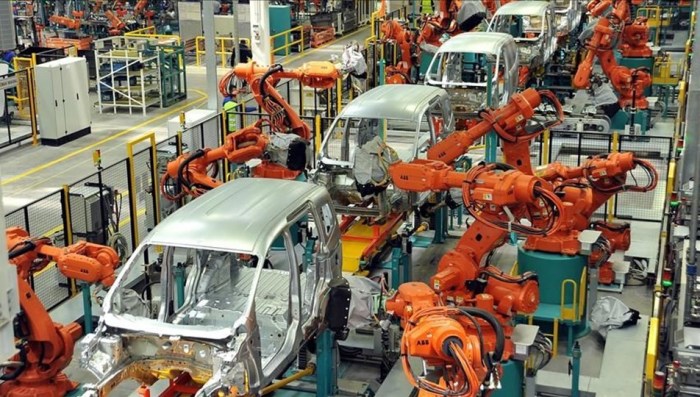
Industry 4.0 technologies are fundamentally reshaping manufacturing, offering unprecedented opportunities to enhance environmental sustainability. By leveraging data, automation, and interconnected systems, manufacturers can optimize resource utilization, minimize waste, and significantly reduce their carbon footprint. This shift is not just about compliance; it’s about creating more efficient, resilient, and ultimately, more profitable operations.
Resource Efficiency and Optimization
Industry 4.0 facilitates a move towards resource efficiency through real-time monitoring and control. Smart factories equipped with sensors and connected devices gather data on energy consumption, material usage, and waste generation. This data-driven approach allows for precise adjustments to processes, minimizing inefficiencies and waste.
- Predictive Maintenance: AI-powered predictive maintenance systems analyze sensor data to anticipate equipment failures. By scheduling maintenance proactively, manufacturers can avoid unexpected downtime, extend the lifespan of equipment, and reduce the need for replacements, thereby conserving resources and minimizing waste.
- Optimized Production Planning: Advanced analytics tools can optimize production schedules, taking into account factors like energy costs, material availability, and demand forecasts. This leads to more efficient use of resources and reduced waste from overproduction or underproduction.
- Closed-Loop Recycling Systems: Industry 4.0 technologies support the development of closed-loop recycling systems. Digital tracking and tracing of materials throughout the supply chain enable better management of waste streams and facilitate the recovery and reuse of materials.
Waste Reduction and Minimization
Industry 4.0 empowers manufacturers to significantly reduce waste generation through various strategies, including improved process control, enhanced material utilization, and the implementation of circular economy principles.
- Real-Time Monitoring of Production Processes: Sensors and data analytics provide real-time insights into production processes, enabling manufacturers to identify and address inefficiencies that lead to waste. This includes optimizing parameters like temperature, pressure, and flow rates to minimize material losses.
- Advanced Material Management: Technologies like RFID (Radio-Frequency Identification) and blockchain can track materials throughout the production process, ensuring optimal utilization and reducing waste from damaged or misplaced items.
- Digital Twins for Waste Reduction: Digital twins, virtual replicas of physical assets, can be used to simulate different production scenarios and identify potential waste generation points. This allows manufacturers to optimize processes and minimize waste before production even begins.
Carbon Footprint Minimization
Industry 4.0 contributes to carbon footprint reduction through energy efficiency, optimized logistics, and the adoption of renewable energy sources.
- Energy Management Systems: AI-powered energy management systems analyze energy consumption patterns and identify opportunities for optimization. This can include adjusting equipment settings, scheduling production during off-peak hours, and integrating renewable energy sources.
- Optimized Logistics and Supply Chains: Smart logistics systems use data analytics to optimize transportation routes, reduce fuel consumption, and minimize emissions from transportation. This includes using data to choose the most efficient modes of transport and consolidating shipments.
- Integration of Renewable Energy: Industry 4.0 facilitates the integration of renewable energy sources into manufacturing operations. Smart grids and energy storage systems can be used to optimize the use of renewable energy and reduce reliance on fossil fuels.
Industry 4.0 offers a comprehensive framework for sustainable manufacturing, encompassing:
- Enhanced resource efficiency through data-driven optimization.
- Significant waste reduction via improved process control and material management.
- Carbon footprint minimization through energy efficiency and optimized logistics.
These advancements not only benefit the environment but also drive cost savings and enhance competitiveness for manufacturers.
Summary
In conclusion, Industry 4.0 represents a monumental leap forward, ushering in an era of unprecedented possibilities for the manufacturing sector. By embracing interconnected systems, data-driven insights, and human-machine collaboration, businesses can unlock new levels of efficiency, sustainability, and innovation. While challenges remain, particularly in areas like cybersecurity and workforce adaptation, the transformative potential of Industry 4.0 is undeniable. The journey towards smart manufacturing is well underway, promising a future where production is more agile, responsive, and aligned with the demands of a rapidly changing world.
